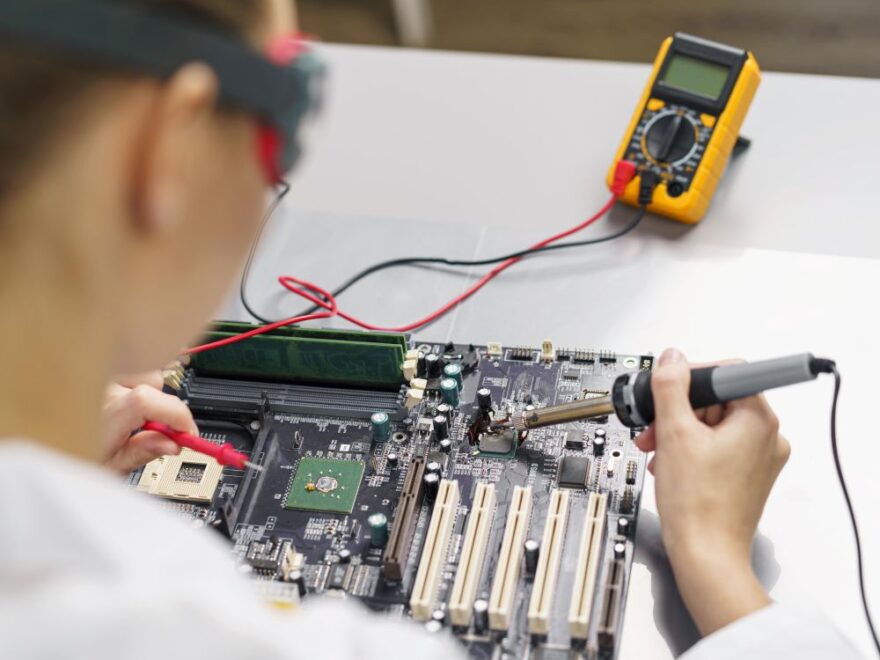
The practice of electrical testing represents one of civilisation’s most essential yet underappreciated safeguards, a systematic interrogation of the invisible forces that power our modern existence. Within the dense urban landscape of Singapore, where millions depend upon electricity flowing reliably through countless circuits, the rigorous examination of electrical systems stands between comfort and catastrophe. Consider that every switch you press, every device you charge, every light that illuminates your evening relies upon electrical infrastructure functioning within precise parameters, and you begin to grasp why methodical testing matters profoundly.
The Fundamental Nature of Electrical Systems
To understand electrical testing, one must first appreciate what we are testing. Electricity behaves according to immutable laws, discovered through centuries of human inquiry. Current flows through conductors much as water flows through pipes, seeking the path of least resistance. Yet unlike water, electricity moves at nearly the speed of light, and its effects, whilst invisible, can prove instantly lethal.
An electrical engineer with two decades of experience observed, “We are testing not merely whether systems work, but whether they work safely under all foreseeable conditions.” This distinction captures the essence of rigorous electrical testing: functionality alone proves insufficient when human safety hangs in the balance.
Why Systematic Testing Proves Essential
Electrical systems degrade over time. Connections loosen. Insulation deteriorates. Components age. What functioned flawlessly at installation may, years later, harbour dangerous faults invisible to casual inspection. Regular electrical testing detects these deteriorations before they manifest as fires, shocks, or equipment failures.
Singapore’s tropical climate accelerates certain degradation processes. High humidity promotes corrosion. Temperature fluctuations stress connections. The Energy Market Authority’s regulations requiring periodic electrical testing acknowledge these environmental realities, mandating verification at intervals determined by installation type and usage patterns.
Beyond safety considerations, electrical testing ensures compliance with statutory requirements. The Electricity Act and associated regulations establish clear standards that installations must meet. Documented testing proves compliance, protecting building owners from liability whilst ensuring occupant safety.
The Spectrum of Testing Methodologies
Electrical testing encompasses various techniques, each designed to reveal specific aspects of system integrity:
- Insulation resistance testing measures the effectiveness of insulation materials preventing current leakage, detecting degradation before it permits dangerous faults
- Earth continuity testing verifies protective earth connections that channel fault currents safely away from users
- Polarity testing confirms correct connection of live, neutral, and earth conductors throughout circuits
- Circuit breaker verification ensures protective devices will disconnect faulty circuits within specified timeframes
- Load testing examines system behaviour under actual operating conditions, revealing inadequacies that might not appear during no-load tests
Each test follows established protocols, producing measurements that technicians compare against regulatory standards and manufacturer specifications.
The Testing Process in Practice
Comprehensive electrical testing follows systematic procedures. Technicians begin by reviewing installation documentation, understanding the system’s design before commencing physical examination. Visual inspection precedes instrumented testing, identifying obvious defects like damaged cables or loose connections.
The testing itself employs specialised instruments calibrated to exacting standards. A megohmmeter measures insulation resistance by applying test voltages and measuring resulting leakage currents. Earth loop impedance testers verify the effectiveness of protective earthing systems. These devices must themselves undergo regular calibration, ensuring measurement accuracy.
Documentation forms an integral component of proper electrical testing. Test results are recorded meticulously, creating a historical record that reveals trends over time. Deteriorating insulation resistance readings across successive tests might prompt preemptive intervention before outright failure occurs.
Regulatory Framework and Standards
Singapore’s electrical testing requirements reflect international best practices whilst addressing local conditions. The SS 638 Code of Practice for Electrical Installations governs installation standards and testing protocols. These specifications embody collective wisdom accumulated through decades of experience worldwide.
Different installation types face varying testing frequencies. Commercial and industrial installations serving critical functions require more frequent verification than residential premises. An electrical inspector explained, “The regulations recognise that risk varies with context. Testing frequency should match the consequences of failure.”
Common Issues Revealed Through Testing
Electrical testing frequently uncovers problems that visual inspection alone would miss. Deteriorated insulation may appear intact externally whilst providing inadequate protection. Loose connections might function under normal loads but fail catastrophically during peak demand.
In Singapore’s context, certain issues appear with particular frequency. Corrosion of connections in humid environments often degrades earth continuity. Overloaded circuits, common in buildings where electrical usage has increased since original installation, may not trip protective devices as designed.
The Value Beyond Compliance
Whilst regulatory compliance provides the immediate impetus for electrical testing, the benefits extend further. Well-maintained electrical systems operate more efficiently, reducing energy consumption and operating costs. Equipment powered by clean, stable electricity lasts longer. Insurance considerations favour properties with documented testing histories.
Making Informed Decisions
Selecting qualified professionals for electrical testing requires attention to credentials and experience. Licensed electrical workers possess the training and authorisation to perform testing in Singapore. Their familiarity with local regulations proves invaluable. Requesting evidence of instrument calibration certificates ensures measurement accuracy.
The cost of electrical testing represents insurance against far more expensive consequences. Fire damage, injury liability, and regulatory penalties dwarf testing expenses.
Looking Forward
As buildings age and electrical demands increase, the importance of systematic testing only grows. Singapore’s electrical infrastructure requires ongoing vigilance to maintain safety standards. New technologies bring new challenges: electric vehicle charging systems, solar installations, and battery storage all introduce complexities requiring appropriate testing protocols.
The invisible nature of electricity makes it easy to take for granted, to assume that systems function safely simply because they function at all. This assumption proves dangerous. Rigorous electrical testing transforms assumption into verified knowledge, mystery into measured certainty. In a world where we trust our lives to the proper functioning of electrical systems every moment of every day, such verification isn’t merely prudent but essential. The cosmos operates by comprehensible laws; through systematic electrical testing, we ensure our creations honour those laws safely.