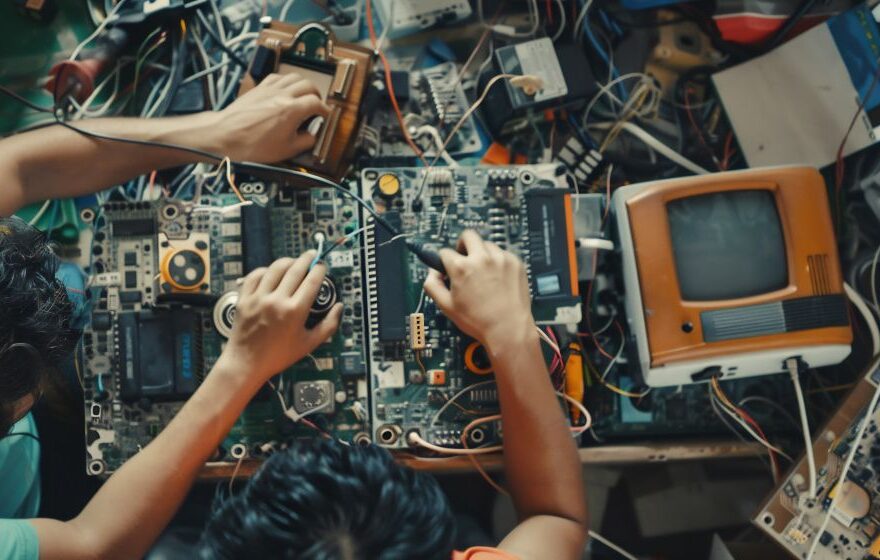
Upcycling electronics is not some gentle hobby for the environmentally timid but a full-throated rebellion against the disposable mentality that has turned Singapore into a graveyard of perfectly functional components wrapped in obsolete casings. We are drowning in our own technological ambition. Every year, thousands of tonnes of electronic equipment get tossed aside because the latest model promises half a second faster processing or a camera lens with marginally improved resolution. It is wasteful. It is stupid. And it is entirely unnecessary.
The question is not whether we can do better. The question is whether we have the stomach for it.
The Brutal Mathematics of Waste
Here are the numbers, and they do not lie. Singapore generates massive quantities of electronic waste annually. Most of it contains materials that required enormous energy to extract, process, and manufacture. Gold. Copper. Rare earth elements. These materials came from somewhere. They cost something. And now they sit in landfills or get shipped overseas because we lack the imagination to see their value.
The National Environment Agency understands this. According to the Resource Sustainability Act, “the implementation of a regulated e-waste management system in Singapore will ensure the proper and safe handling and extraction of resources from e-waste. This system will also fund the aggregation and recovery of valuable resources from e-waste for reuse, turning trash into treasure.”
Turning trash into treasure. That is not bureaucratic language. That is the challenge put directly to every citizen. Can you see treasure where others see trash?
What Electronic Repurposing Really Demands
Upcycling electronics means taking a hard look at devices that supposedly have no value and finding their hidden potential. It means seeing past the manufactured obsolescence that corporations depend upon for their quarterly profits. It means recognizing that a smartphone with a cracked screen still contains a functioning camera, a powerful processor, and connectivity that would have seemed like science fiction thirty years ago.
The possibilities are limited only by nerve and creativity:
- Old laptops stripped down and converted into media servers that store your entire music and film collection
- Broken tablets mounted on walls as dedicated kitchen recipe displays or workshop reference screens
- Discarded computer fans repurposed into cooling systems for small greenhouses or electronics projects
- Circuit boards transformed into industrial-aesthetic wall art that actually means something
- Obsolete routers configured as network extenders or dedicated devices for smart home systems
- Smartphone cameras removed and used for DIY security systems or hobby photography projects
This is not theoretical. People are doing this work right now. The only question is whether you will join them.

Singapore’s Regulatory Reality
The Extended Producer Responsibility framework has changed the game. Producers can no longer simply manufacture devices, take profits, and walk away from the consequences. They now bear responsibility for what happens when their products reach end-of-life. Large retailers must provide collection points. The infrastructure exists.
But infrastructure alone solves nothing. Infrastructure without participation is just empty bins and unfulfilled potential. The regulations create opportunity. What happens next depends on individual choice multiplied across millions of households.
Getting Your Hands Dirty
Starting with electronic upcycling requires tools, time, and a willingness to figure things out as you go. It is not complicated, but it is not effortless either. Nothing worth doing ever is.
Begin with something simple. An old mobile phone. A broken printer. A computer tower that no longer boots. Take it apart. See what is inside. Most people have never actually looked inside the devices they use every day. The components are remarkable. The engineering is impressive. And much of it can be salvaged.
Safety matters:
- Research your specific device before disassembly to identify hazardous components like capacitors and batteries
- Remove batteries first and take them to designated collection points
- Work in ventilated areas with proper lighting
- Use appropriate tools and wear safety glasses
- Dispose of unusable parts through proper channels, not your rubbish bin
The risk is manageable. The reward is substantial. And the alternative is continuing to generate waste at rates that cannot be sustained.
Why This Matters Beyond Environmental Platitudes
Forget the gentle environmentalism that asks nothing of anyone. That approach has failed. We need something tougher. We need people willing to challenge the narrative that devices must be replaced every two years, that repair is impossible, that nothing has value once the warranty expires.
Electronic repurposing is an act of defiance. It rejects planned obsolescence. It insists that materials have inherent worth regardless of what marketing departments claim. It demands that we take responsibility for the entire lifecycle of the objects we purchase.
Singapore faces real constraints. Land is limited. Resources are finite. The Zero Waste Nation vision cannot be achieved through wishful thinking alone. It requires millions of individual decisions to do things differently.
The Choice Before Us
Every obsolete device represents a decision point. Disposal is easy. It takes no thought, no effort, no imagination. You bag it, bin it, forget it.
Upcycling demands more. It asks you to see potential where others see junk. It requires learning new skills. It means accepting that transformation takes time and effort. It is not the easy path.
But the easy path has brought us to this moment, standing amid mountains of technological waste, wondering how we got here. Perhaps it is time to try something harder.
The practice of upcycling electronics is not a solution to every problem. But it is a start. It is individuals choosing to act rather than simply consume and discard. And that choice, repeated often enough, might actually mean something.